Best Orthopedic Dog Beds for Large Dogs (and Crates Big Dogs Actually Fit In)
Heads up: this post contains affiliate links. If you buy through them we may earn a commission, at no extra cost to you. Learn more.
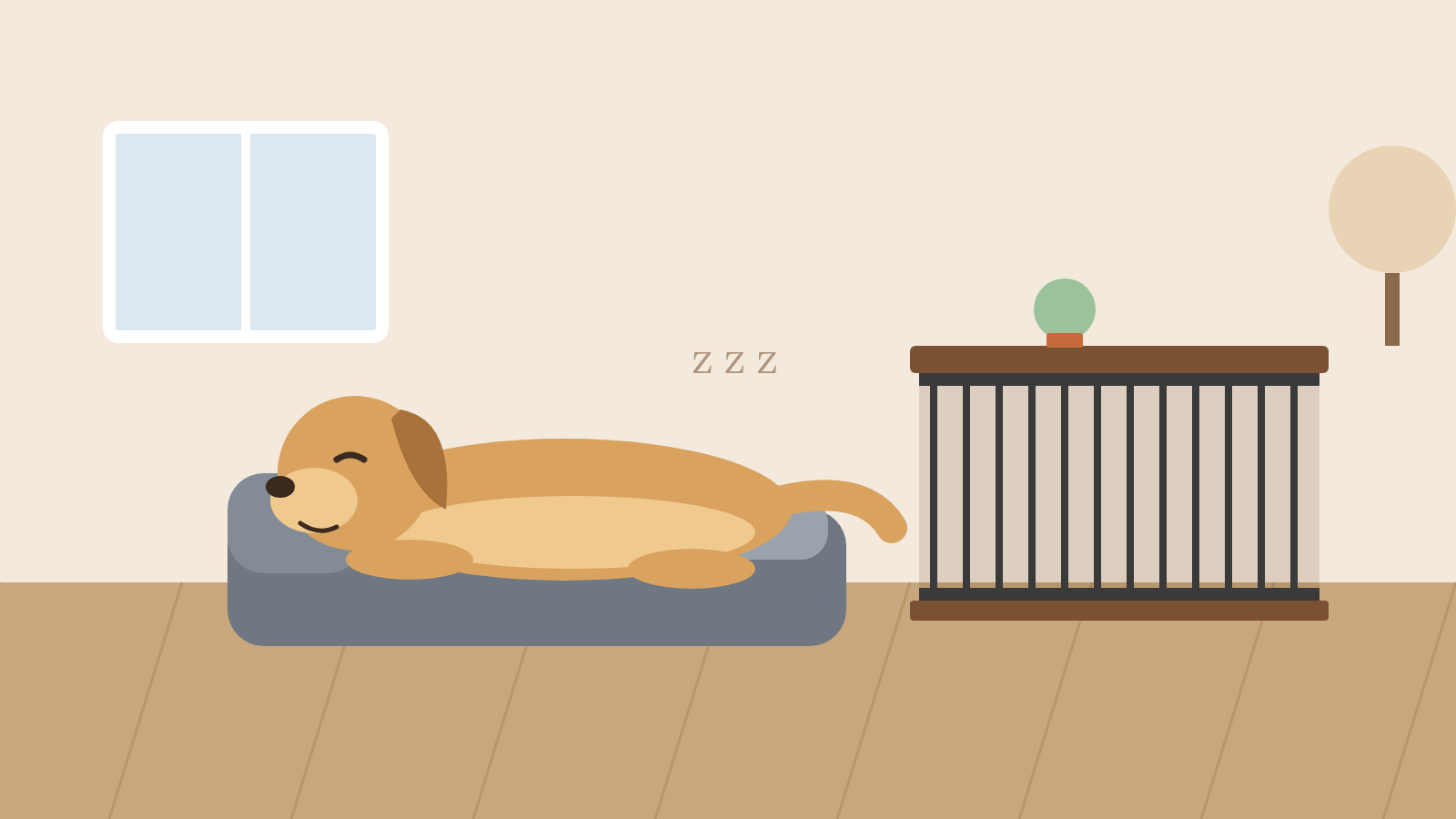
Big dogs are hard on beds. A thin pillow bed that looks fine in the store flattens within weeks under a 70-pound Lab, and a standard wire crate can feel cramped (or get bent) by a large shepherd. If you have been replacing cheap beds every few months, a thicker bed or a better crate is one of the few pet purchases where spending more up front often makes sense.
This guide covers two things big-dog owners usually shop for together: thick orthopedic-style beds (solid memory foam mattresses and bolster beds) and large crates (heavy-duty steel, slim modular, and furniture-style crates that double as a side table). For each one we explain who it suits and who should skip it. We don't list prices because they change often; check the current price on Amazon. For cold nights, our keep pets warm in winter guide covers heated pads and outdoor beds.
Big-dog beds and crates worth a look
1Laifug orthopedic memory foam bed: the thick mattress-style pick
This is one of the most-reviewed big-dog memory foam beds on Amazon. It is a flat, 7-inch mattress made of a softer top layer over denser memory foam, with a separate head pillow along one side. The 50 x 36 inch size gives a Lab, shepherd or golden room to stretch out flat instead of curling up.
The cover zips off, is waterproof and goes in the washer. Like most compressed foam beds it ships rolled, so give it a day or two to expand fully before judging the height.
Best for: big dogs who sleep stretched out on their side, and owners who want one bed that can sit in the living room for years.
Skip it if: your dog loves to lean on a raised edge. Pick a bolster bed instead.
27-inch memory foam bed with a waterproof liner: the slightly smaller mattress
Same idea as the Laifug in a 48 x 30 inch footprint: three foam layers about 7 inches thick, a waterproof inner liner and a microsuede outer cover that both unzip for washing. The non-skid bottom matters on hardwood and tile, where a heavy dog flopping down can send a bed sliding.
Best for: large dogs in apartments or bedrooms where a 50-inch bed won't fit.
Skip it if: your dog is a giant breed. Measure first; nose to base of tail plus a few inches is the length you want.
3Bedsure SupportMax XL: the bolster bed for dogs who like a headrest
Plenty of dogs sleep with their head propped on the arm of the couch. This bed copies that with bolsters on three sides and an open front for easy stepping in. The base is a thick shredded-foam and fiber fill rather than a solid slab, and the whole cover, bolsters included, comes off for washing, which is not true of every bolster bed.
Best for: dogs who curl up or lean, and homes where the bed gets washed often.
Skip it if: you want the firm, flat feel of a solid memory foam mattress.
4EHEYCIGA orthopedic bolster bed: the popular value pick
This bed is a best-seller in the big-dog category: egg-crate and memory foam base, three-sided bolster and a fleece sleeping surface. There is a waterproof layer under the fleece, but the listing notes that the sides are not waterproof, so it is better for drool and small accidents than for a dog who comes in soaking wet.
It comes in several sizes, so it is also a good second bed for a crate or a bedroom.
Best for: a comfortable everyday bed that doesn't cost as much as the thick mattresses.
Skip it if: you need a fully waterproof bed.
5Feandrea 48-inch crate furniture: a crate that doubles as a side table
A big wire crate is hard to hide in a living room. Furniture-style crates solve that by putting a wooden top on a steel-tube frame, so the crate becomes an end table or TV stand. This one has an internal space of about 44 x 26.5 x 26.5 inches, which the maker lists for dogs up to around 110 lb, with a front door and a side door so it can sit against either wall.
The base is enclosed, so paws can't slip through the bottom bars, and you can drop one of the beds above inside.
Best for: calm, crate-trained large dogs in homes where the crate lives in a main room.
Skip it if: your dog chews or tries to break out. Particleboard is not a match for a determined chewer.
6LEMBERI 48-inch heavy duty crate: for strong dogs and escape artists
If a standard folding wire crate has been bent, pushed open or chewed, this is the kind of crate people move to. It is a heavy-gauge steel kennel with two doors, locking latches, a pull-out tray and wheels, and it arrives mostly assembled.
It is very heavy and looks industrial, so plan where it will live. Never leave a collar or tags on a dog inside any crate, and if your dog is panicking in a crate rather than just bored, ask your vet or a trainer before buying a stronger one.
Best for: powerful large breeds that have beaten a wire crate.
Skip it if: you need to fold the crate for travel or move it often.
7Diggs Evolv (Large): the slim modular crate that looks good
The Evolv is the design-forward option: a slim crate with up to four repositionable doors and a removable ceiling panel, so you can reach in from the top or set it up to suit the room. The Large size is listed for dogs about 18-22 inches tall or 50-70 lb, with interior space of about 35.5 x 22.3 x 23.8 inches.
That makes it a fit for medium-large dogs like bulldogs, whippets and standard schnauzers rather than big retrievers or shepherds.
Best for: medium-large dogs and owners who care how the crate looks.
Skip it if: your dog is over about 70 lb or 22 inches tall. Go with the 48-inch crates above.
8A fitted crate cover: turn any wire crate into a den
Many dogs settle better in a crate that feels enclosed. A fitted cover drapes over a standard wire crate with roll-up panels, so you can leave the front open for airflow and close the sides. Add one of the beds above and a plain wire crate becomes a cozy den without buying new furniture. Our thunderstorm comfort guide has more den-style ideas.
Best for: owners who already have a 48-inch wire crate.
Skip it if: your dog pulls fabric into the crate and chews it.
What to look for in a big-dog bed
- Real thickness. Look for about 4 inches of supportive foam or more for large dogs. Beds described only as "plush" or stuffed with loose fiber flatten fastest.
- Solid foam vs. shredded fill. Solid memory foam keeps an even, firm surface. Shredded foam and fiber blends feel softer and can be fluffed back up, but they shift around more.
- Size from a measurement, not a label. "XL" means different things to different brands. Measure your dog stretched out and compare to the sleeping area, not the outside dimensions.
- A cover that actually comes off. Zippered, machine-washable covers matter more than any other feature over the life of the bed. Check whether bolsters come off too.
- Waterproof liner. An inner liner protects the foam from drool, wet coats and accidents, which is what usually ruins a foam bed.
- Non-skid base if the bed sits on hard floors.
What to look for in a large crate
- Internal dimensions. Your dog should stand without ducking, turn around and lie flat. Add 2 to 4 inches to your dog's measurements.
- Strength vs. looks. Furniture crates look great but suit calm dogs. Heavy steel crates are for chewers and escape artists. Wire crates sit in between and fold for travel.
- Door placement. Two doors (front and side) make it much easier to fit a big crate into a room.
- Weight and moving. Heavy-duty and furniture crates are hard to move once built. Decide where the crate will live first.
- Safety. Remove collars and tags before crating, and if your dog is distressed in a crate rather than just bored, talk to your vet or a trainer before going for a stronger one.
Making a bed and crate setup work together
- Measure the crate's internal floor and buy a bed 1 to 2 inches smaller on each side so it lies flat.
- Keep the thickest bed outside the crate, in the spot where your dog already likes to nap, and use a thinner washable pad in the crate.
- Put the crate in a quiet corner of a room where the family spends time, not in a garage or basement.
- Introduce a new bed or crate with a treat and a familiar blanket, and give your dog a few days to adjust.
Frequently asked questions
What size dog bed does a large dog need?
Measure your dog lying stretched out, from nose to the base of the tail, and add 8 to 12 inches. For most Labs, goldens and shepherds that means a bed around 48 to 50 inches long. Bolster beds need extra length because the sides take up space.
Is a thick memory foam bed better than a bolster bed?
Neither is better for every dog. Dogs who sleep stretched flat on their side usually use the whole surface of a mattress-style bed, while dogs who curl up or rest their head on the couch arm often prefer bolsters. If your dog has joint or mobility concerns, ask your vet what type of support they suggest.
What size crate does a large dog need?
Your dog should be able to stand without ducking, turn around and lie down stretched out. Measure height at the top of the head while sitting and length from nose to tail base, then add 2 to 4 inches. Many large breeds need a 42- or 48-inch crate.
Can I put an orthopedic bed inside a crate?
Yes, if it fits flat. Check the crate's internal dimensions (not the outside size) and pick a bed a little smaller so it doesn't bunch up. Skip thick beds for dogs who chew bedding when left alone.
We don't accept payment for placement. Prices and availability change often, so check the retailer for current details. As an Amazon Associate we earn from qualifying purchases.